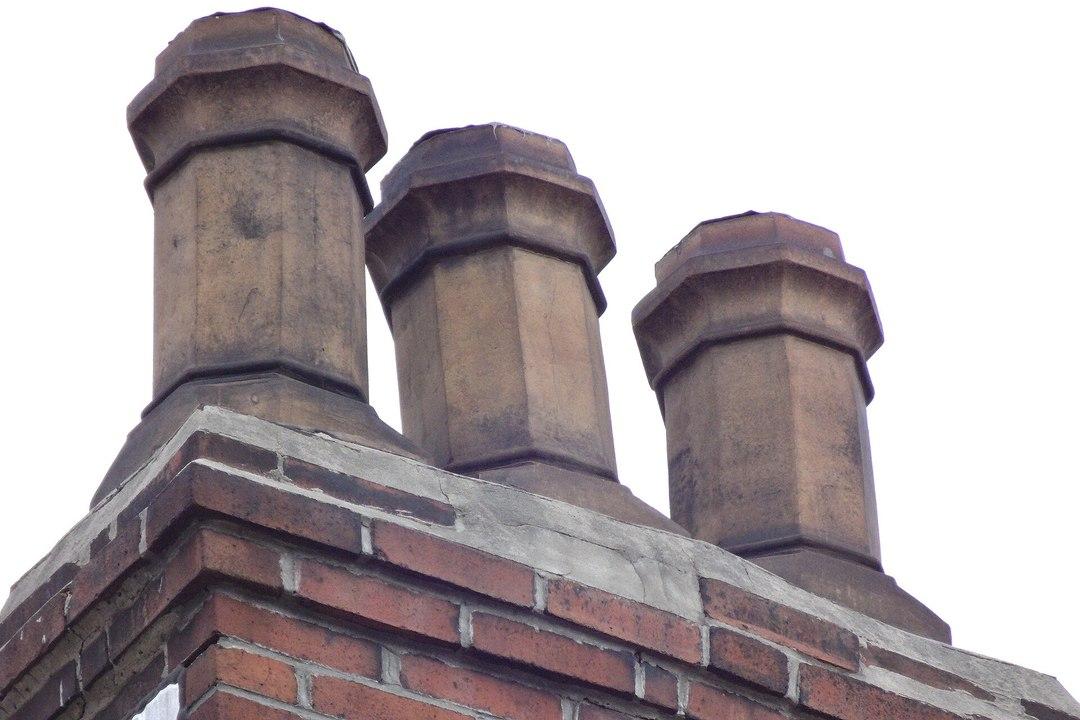
Three masons, three numbers
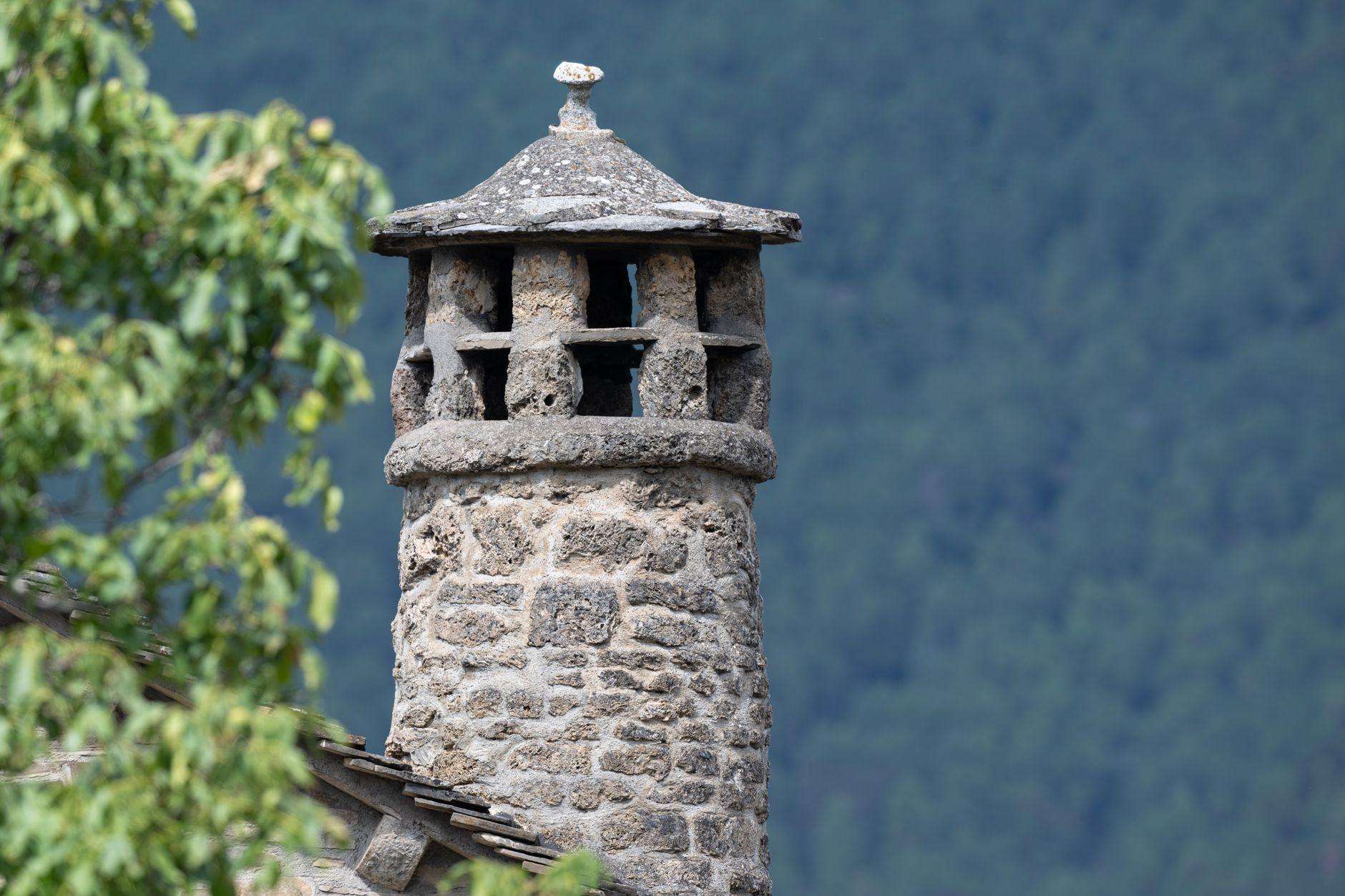
Ask three masons to price the same tired brick stack and you can walk away with three very different figures. Most of that gap comes down to one question nobody can answer from the driveway: how many courses have to come off before the hammer meets a joint that still holds.
In Santa Clarita that question matters more than in most places. A great many chimneys in Valencia, Saugus and Canyon Country went up on tract houses from the 1960s onward, and plenty of them rode out the 1994 quake with cracks that never showed from the yard. Newhall adds older brick with softer mortar. Summer heat and winter rain then work on whatever the quake loosened. The result is a stack that looks fine from the street and comes apart in the hand.
This guide walks through how we build a rebuild price, which parts carry a published figure, and which ones only get a number once a mason has stood beside the brick.
A rebuild is three bills in one
It helps to think of the job as three smaller jobs stacked on top of each other.
Teardown. Every brick that comes off is lifted out by hand, knocked clean if it can be saved and lowered to the ground. A stack that stands four feet above a single-story roof is a modest job. One that stands eight feet above a two-story roof needs staging, roof protection and many more trips down the ladder with a loaded bucket.
Laying up. New courses go back in the original bond, tied into the house framing where the stack passes it. The flue gets fresh tile or a liner, and a new crown is cast on top. Labor here follows the brick count almost exactly, which is why the depth of the teardown drives the whole bill.
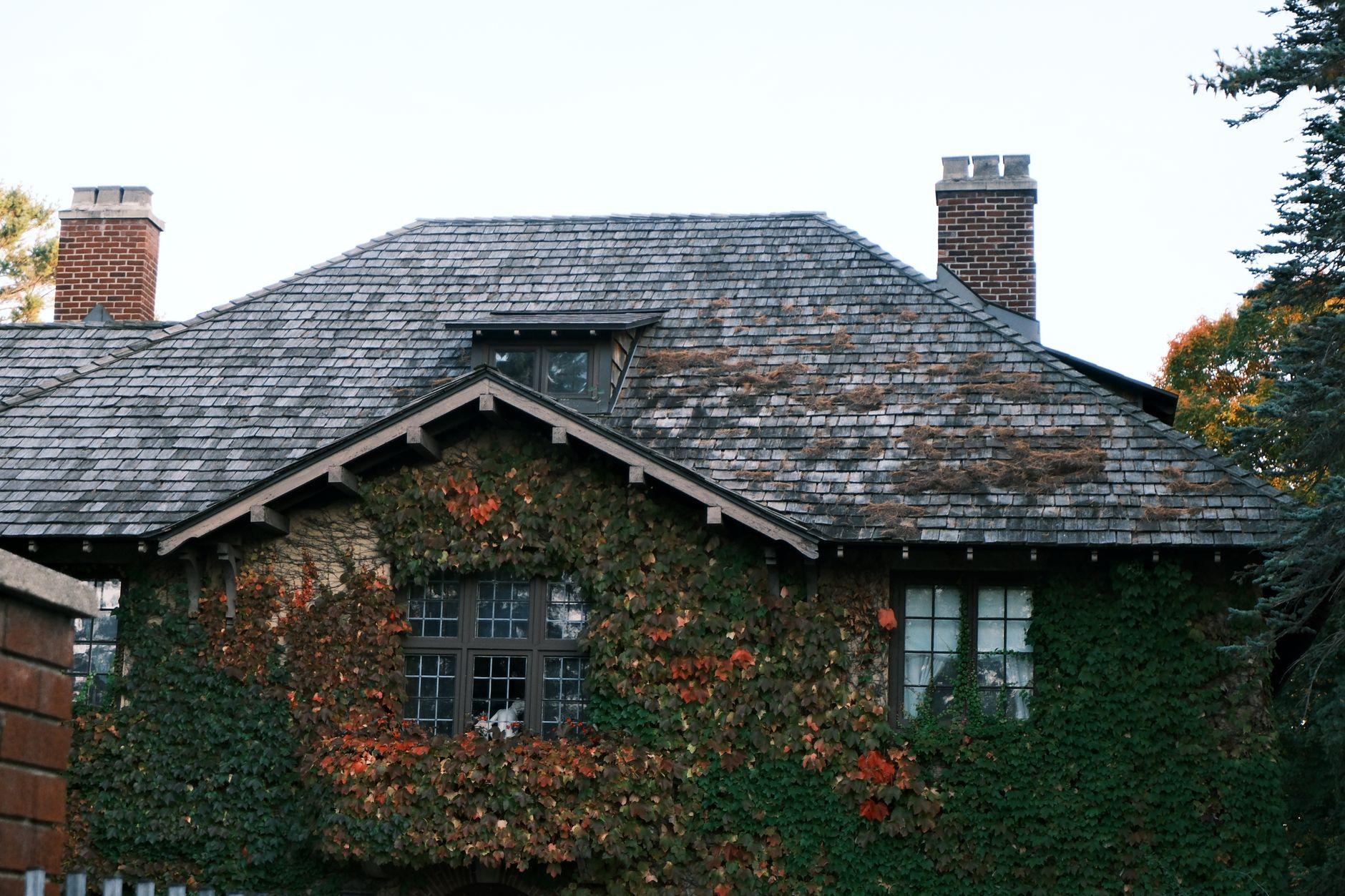
Matching. This is the line between a repair you can spot from across the street and one you cannot. Valley houses carry everything from smooth red common brick to tumbled used brick and painted faces. We set sound salvaged brick back on the face people see. New brick is chosen by size, color and texture, and the mortar is tinted and tooled to the old joint, whether that joint is concave, raked or struck flush.
What pushes the figure up
- Damage that continues below the roof into the attic or the framing around the stack.
- More than one flue in the stack, since each needs its own tile run and spacing.
- A steep pitch, or a concrete or clay tile roof that has to be lifted and relaid around the work.
- Soft lime-rich mortar in the courses that stay, which rules out a hard modern mix beside it.
- Brick in an odd size that is no longer made, so salvage has to stretch further.
What keeps it down
- Damage limited to the part of the stack above the roof.
- A firebox and smoke chamber that test sound, so the work ends at the roof deck.
- Easy access from a low eave with room for a mortar board on the ground.
- An owner who is happy with a close modern match on a rear face nobody sees.
Which parts have a published price
Our price list covers the parts of a rebuild that repeat from house to house:
- Camera inspection first. A Level 2 inspection with a video scan is $390. On a rebuild it comes before anything else, because the footage shows whether the tile below the visible damage is cracked, which changes where we stop tearing down.
- Water at the roofline. When a leak was part of the story, our leak repair at the roof joint runs $560 to $3,350.
- A diverter on a wide stack. A cricket on the uphill side is $450 to $1,010, or $675 to $1,650 when every piece of flashing around the stack is replaced at the same time.
- A cap on the finished stack. Most rebuilt chimneys leave with a cap. We measure the top before pricing it, because the metal, the size and the number of flues under it all change the figure.
The rebuild itself has no published figure, and that is deliberate. Two stacks the same height can differ by half their brick count once they are opened. Before any work starts, you get a written scope that names how deep we expect to go, the brick and mortar we plan to use, and how the price changes if the teardown finds more than the camera did.
Ask for a written rebuild quote, and on the form tell us roughly how tall the stack stands above the roof and whether the brick is bare, painted or used brick.
How we decide how deep to go
Most rebuilds we price in the valley stop at the roof deck. The exposed top of a chimney takes the worst of everything: it swings furthest in a quake, bakes hardest in August and gets no shelter from the wind. Below the roof the stack is boxed in by framing and usually holds together.
We go deeper when the camera finds cracked tile low in the flue, when the joints in the attic rake out like dry sand, or when the stack has twisted away from the wall. Then the choice is between taking more masonry down, relining what stays, or a mix of both. Each path gets its own line on the quote so you can compare them side by side.
Our rebuild service page covers the work itself, and masonry repair covers the jobs that stop short of a rebuild. If you are not sure which side of that line your chimney sits on, our post on repointing versus rebuilding lays out the signs.
What to ask any mason before you sign
- Which mortar type will you use, and why that one for this brick?
- Will the salvaged brick go back on the street face?
- How will the new crown throw water clear of the stack?
- How do the new courses tie back to the framing?
- What happens to the price if the teardown goes deeper than planned?
A mason who answers each of those without hesitating has laid a few chimneys. One who cannot is guessing at the bill as well.
Getting a number for your stack
Every rebuild figure we give starts with a visit to your roof in Santa Clarita or the towns around it. Head to our contact page, give us the street address and a sentence about what made you look up at the chimney, and we will come back to you with a visit time.
Rather Have a Mason Look at Yours?
Chadwick Chimney Group reads the brick, the joints, the crown and the flue, then writes a scope with a price on each line. Book from Santa Clarita, Burbank, Glendale, West Hollywood or another town on our list.