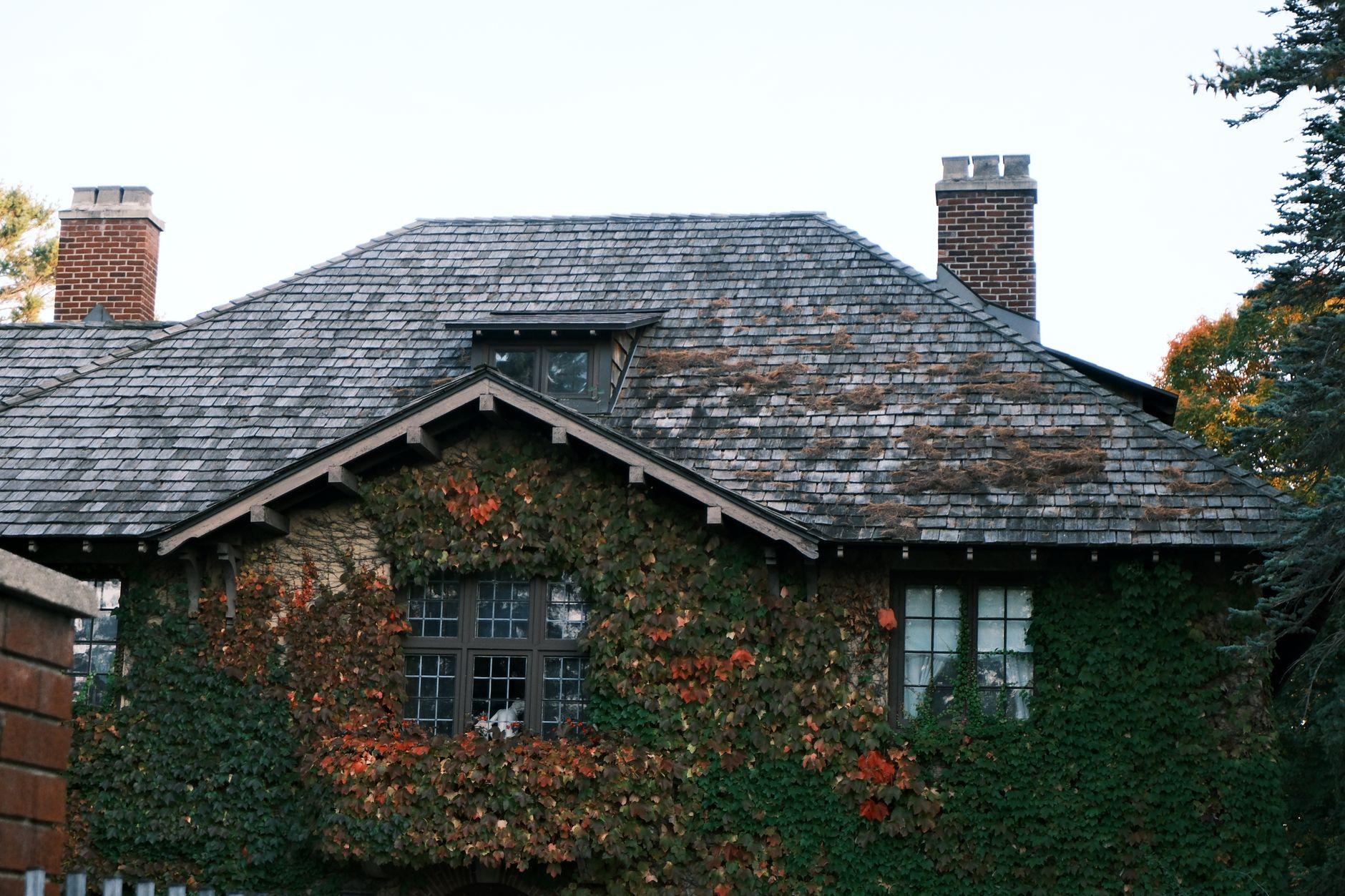
The slab nobody sees
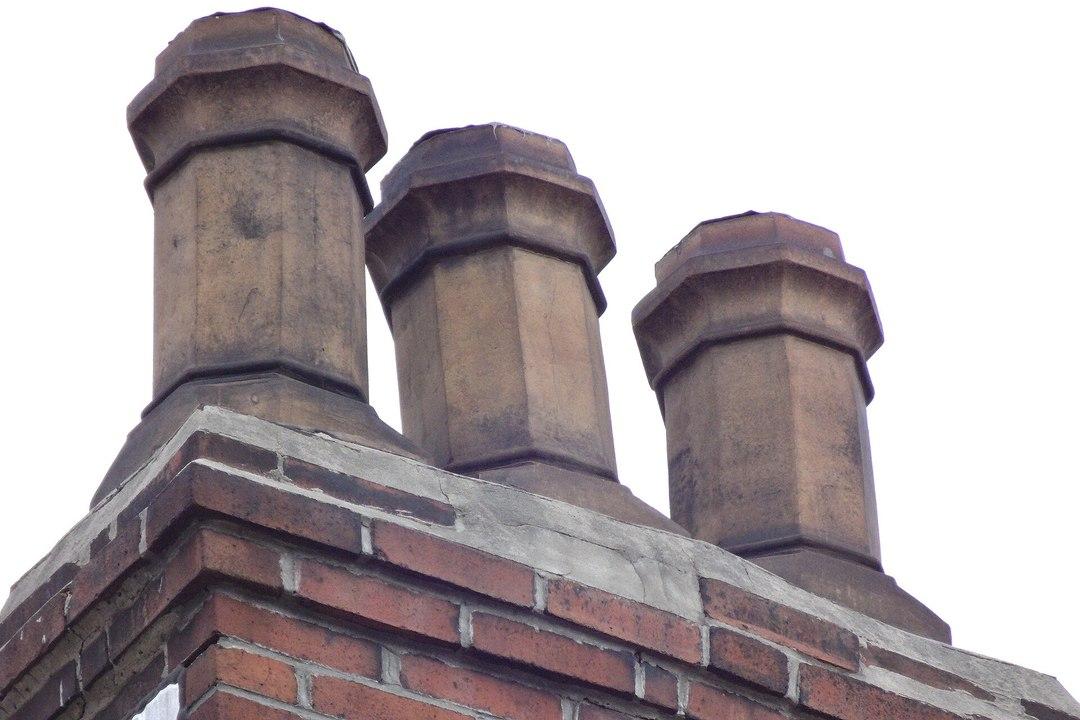
The concrete slab capping a brick chimney is the one part of the house most owners never look at. It sits above the roofline, usually out of sight from the yard, and does a quiet job: it sheds water before it can soak the top course and work into the mortar beneath. When it fails, the first sign is often a stain indoors, long after the cracks began.
On Santa Clarita houses we see crowns crack for three reasons. Many were built as a thin trowelled layer of mortar rather than a proper cast slab. Summer sun bakes the top of the stack while the flue inside heats and cools on its own schedule, so the two pull against each other. And the 1994 quake shook a lot of chimney tops hard enough to crack whatever sat on them.
Two fixes, one decision
A mason has a short menu here, and whether the slab is still in one piece settles which of the two you get.
Sealing. When the crown is still one solid piece with fine surface cracks, we clean it, open the cracks slightly, fill them and coat the top with a flexible crown sealant made for the job. This keeps water out of the cracks so they do not grow with each wet winter.
Recasting. When the crown is broken through, loose, crumbling at the edges or was only ever a thin wash, sealing is a waste of money. We break it off, check the brick under it, and build a form to cast a new slab. The new crown is thicker, slopes down from the flue, extends past the face of the brick so water drops clear, and keeps a narrow joint at the flue tile, packed with a sealant that gives, so the tile can grow with heat and the concrete stays whole.
How we tell them apart on the roof
- We tap the crown with a hammer. A hollow sound means it has separated from the brick.
- We look at the edges. Crumbling edges mean the material itself is failing.
- We check the thickness. Anything thinner than a couple of inches at the edge is a wash, not a crown.
- We look at the brick below. If the top courses are wet, cracked or loose, the crown has been leaking for a while and the masonry under it may need work too.
- We check the flue tile. If the crown was cast tight against it, the tile has usually cracked the crown or the crown has cracked the tile.
What sets the price
Our price list carries no figure for crown work, because no two chimney tops are poured alike. These are the things that move the number:
- Seal or recast. Sealing a sound slab is the smaller job by far.
- Size of the top. A single-flue stack has a small crown. A wide stack with two or three flues has a much larger one.
- The courses below. If the top few courses of brick are loose, they are relaid before the new crown goes on.
- The camera. If water has been getting in for years, a Level 2 inspection with a video scan, $390, checks whether the flue tile has cracked behind the stain.
- The cap. Most recast crowns get a new cap at the same time. Ours are quoted after we measure the flue.
Request a written crown quote, and on the form tell us whether you have seen water inside and roughly how many flues come out of the chimney top.
Why a crown leak looks like something else
A failed crown rarely announces itself as a crown problem. Water soaks into the top of the brick and travels down through the joints, so it can surface as a stain on the ceiling beside the fireplace, a damp patch in the attic or brick faces flaking on one side of the stack. People often call us about flashing, and the crown turns out to be the source. So we never name a repair until the slab, the cap, the top courses and the metal at the roof have all been checked.
If the leak is at the roof joint instead, our leak repair page explains that work. If the brick under the crown is loose, see the post on repointing or rebuilding.
Craft notes on a new crown
We form and cast crowns rather than trowel them, because a cast slab with a drip edge outlasts a hand-shaped mound of mortar by a wide margin. The mix is a dense concrete suited to the job, the slope falls away from the flue on all sides, and the underside of the overhang is cut so water breaks off before it reaches the brick. Where the flue tile passes through, we leave a gap and fill it with a flexible sealant so the two can move separately.
Our crown repair service page covers the work in more detail.
What lands on the written crown quote
Every crown quote we send reads the same way, so it is easy to compare with anyone else's:
- Seal or recast, and the reason we chose it from what we found on the roof.
- The size of the new slab, its edge thickness and how far the overhang projects.
- Any top courses of brick to be relaid first, counted course by course.
- The material at the flue tile and whether the tile itself needs attention.
- Whether a cap is included and which one.
If anything on that list changes once the old crown is off, we stop and talk it through before going on.
Book a look at the top of your chimney
A crown is cheap to fix early and expensive to fix late. Use our contact page to send your Santa Clarita address and anything you have noticed indoors, and we will arrange a visit to the roof.
Rather Have a Mason Look at Yours?
Chadwick Chimney Group reads the brick, the joints, the crown and the flue, then writes a scope with a price on each line. Book from Santa Clarita, Burbank, Glendale, West Hollywood or another town on our list.