The masonry you are about to own
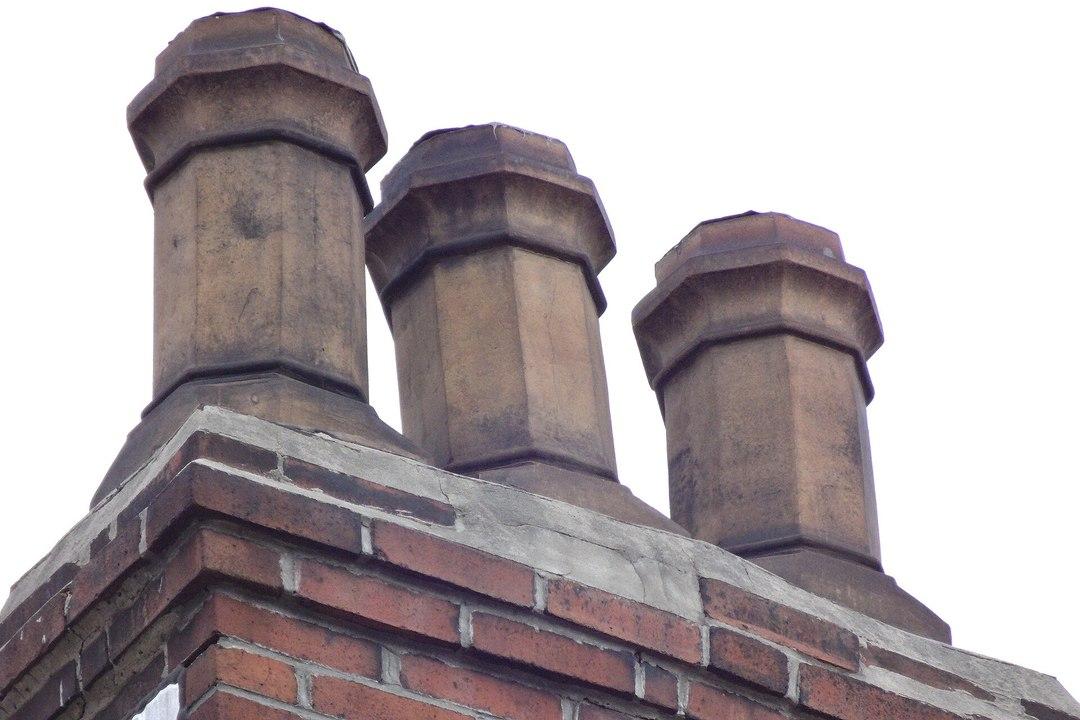
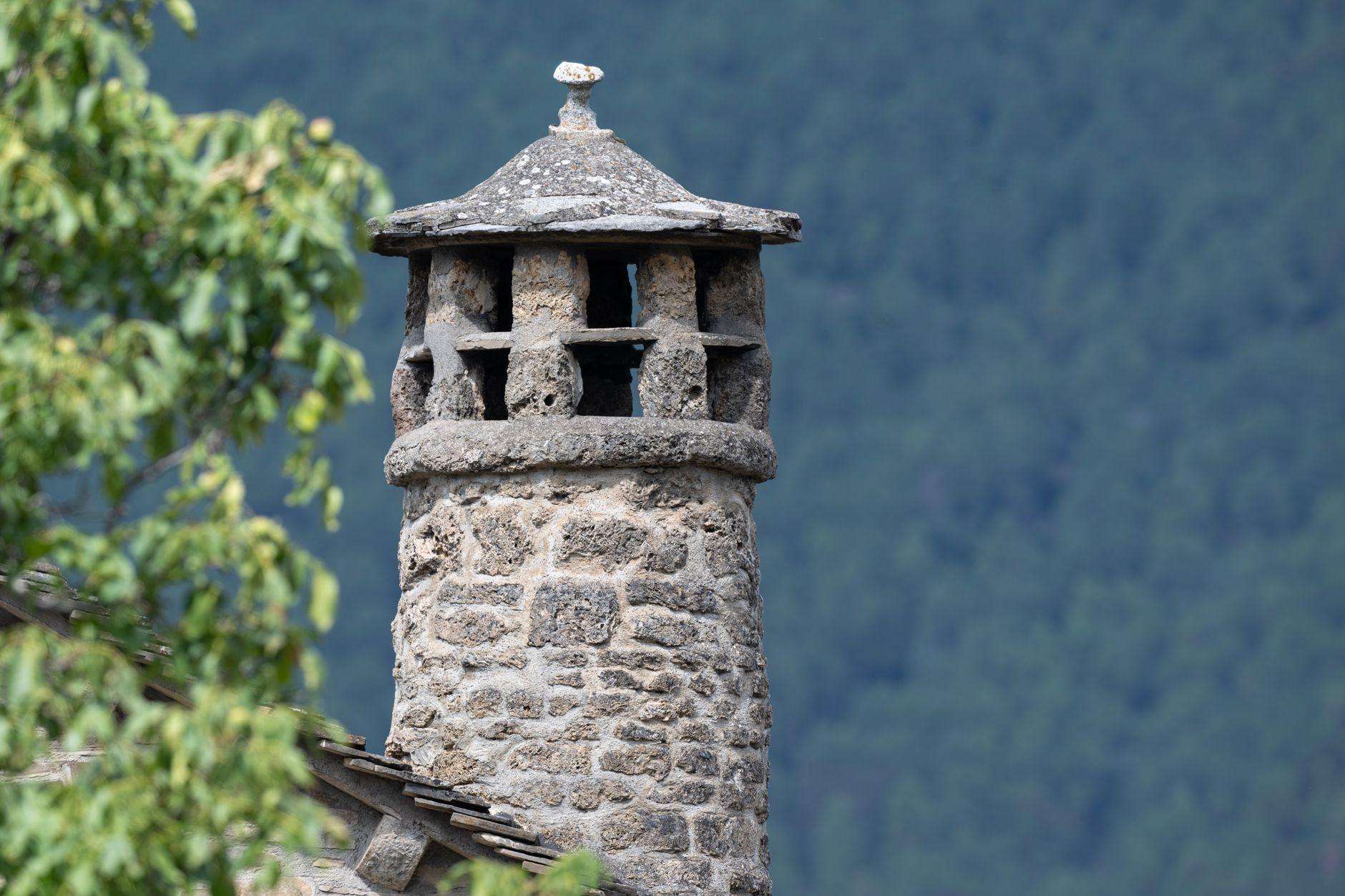
A brick chimney is one of the heaviest, oldest and least examined parts of most houses on the market. The seller may have lit a fire every Christmas, or the firebox may not have seen a match in fifteen years. Either way, once escrow closes the stack is yours, along with whatever the last quake, the last leak and the last patch job left behind.
For buyers in Santa Clarita that history often includes the 1994 quake, which hit the valley hard and loosened the tops of a lot of brick chimneys. Some were rebuilt properly afterwards. Some were patched with whatever mortar was on hand. Some were never touched. A general home inspection is not built to tell those apart.
Why the general inspection is not enough
A home inspector covers the whole property in a single visit: roof, plumbing, electrical, foundation, appliances. The chimney gets a few minutes and a flashlight. Inspectors are good at spotting that something is wrong, which is why so many reports end with a line recommending a specialist. What they cannot do in that time is look up a whole flue, judge mortar by touch, or tell an old quake crack from a new one.
That is where a chimney inspection comes in, and for a purchase the right one is a Level 2.
What a Level 2 covers on a masonry chimney
NFPA 211, the standard most chimney inspections follow, has three levels of inspection. The second is the one it points to when a home changes owner, because the new owner is about to rely on a flue they know nothing about. On a brick chimney, our Level 2 looks at:
- The flue, by camera. We feed the camera through the full height and save stills of each tile joint. Cracked tile, open joints and offset sections from an old quake show up here and nowhere else.
- The stack above the roof. Every face of the brick, the mortar joints, the crown, the cap and the flashing, with photos captioned by face.
- The attic. Where the stack passes through, we look for water stains on the framing and for gaps between brick and wood.
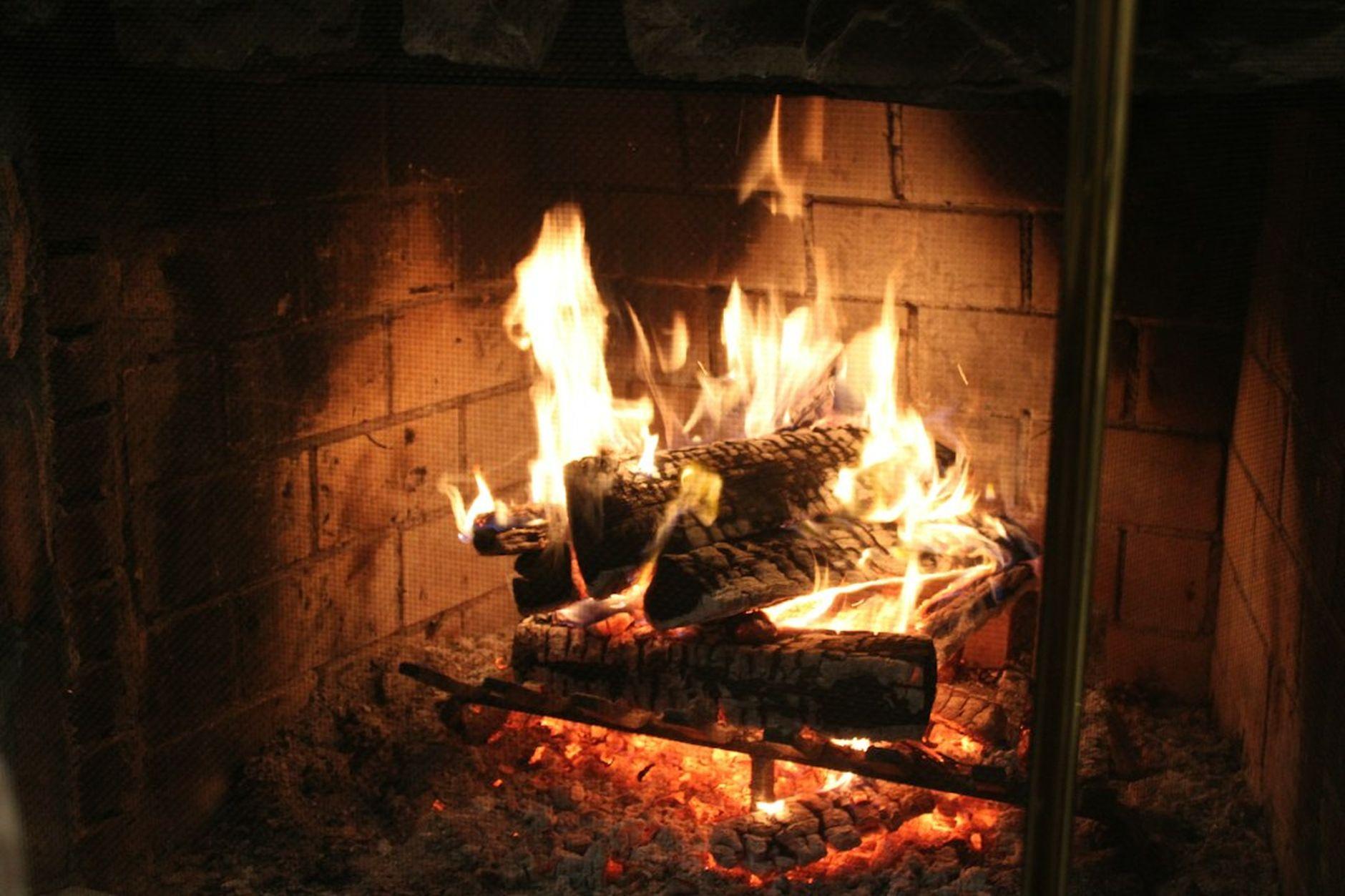
- The firebox and smoke chamber. Cracked firebrick, eroded joints at the back wall and rough parging inside the smoke chamber.
- Past repairs. Hard grey patches on soft brick, sealer smeared over cracks, a newer top on an older base. Each tells us something about the stack's history.
How findings become a repair request
Each finding in our report carries a location, a photo and an urgency group. That makes it straightforward for your agent to turn a finding into a request for repair or a credit. A finding that says the north face has recessed joints for six courses below the crown, brick sound, points to repointing. One that says the top four courses rock when pressed points to a partial rebuild.
Where a fix is on our published list, the figure goes in the report beside it. The common ones on purchase reports:
- Water getting in at the roof joint: $560 to $3,350.
- Water ponding behind a wide stack: a cricket at $450 to $1,010, or $675 to $1,650 with every piece of flashing renewed.
- Cap missing or rusted through: quoted after we measure, and the price depends on size and metal.
Masonry items, such as repointing, crowns and rebuilds, are measured on the roof and quoted in a separate written scope if either side asks for one.
What decides what you book
For a purchase, book the Level 2. It is $390 per chimney visit, and a stack with more than one flue is filmed flue by flue in the same visit. A Level 1 at $55 is a visual check of what can be reached without the camera, which suits a chimney that is already known and used, not one you are buying.
Book a Level 2 for your purchase, and on the form give the property address, the agent arranging access and anyone who should be copied on the report.
Access when you cannot be there
Most buyers are not at the house for our visit. Your agent sorts out entry with the seller's side. On the day, we want room to work at the hearth, a ladder spot under the attic opening and a safe route up to the brick. If the roof is steep tile or there is no safe access, we say so before the visit so it can be planned.
After the report
The report goes to whoever booked it and anyone named on the booking. If you go ahead with the purchase and want the repairs done, we can quote the masonry directly. We write that quote separately from the report, so the report remains a plain record of what we saw.
Our Level 2 inspection page explains the visit in more detail, and our home sale inspection page walks through a sample report page by page. If the stack turns out to need major work, our post on what drives a rebuild bill explains the figure.
Get the chimney looked at while you still can ask
Your room to ask for repairs ends with the contingency, which is a good reason to put the brick near the top of the inspection list. Our contact page takes the Santa Clarita address and the names to copy, and we will set up the visit from there.
Rather Have a Mason Look at Yours?
Chadwick Chimney Group reads the brick, the joints, the crown and the flue, then writes a scope with a price on each line. Book from Santa Clarita, Burbank, Glendale, West Hollywood or another town on our list.